Blog: How Much Should You Keep in an Emergency Fund?
How Much Should You Keep in an Emergency Fund?
 Unexpected expenses have a way of showing up at the worst possible time. A car repair, home maintenance issue, medical bill, or temporary loss of income can quickly put pressure on your monthly budget.
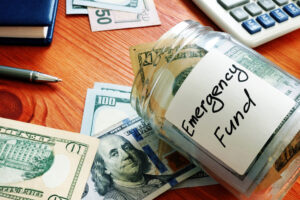
An emergency fund gives you money set aside specifically for those unexpected situations. Instead of relying immediately on a credit card or loan, you have savings available to help cover the expense.
But how much should you actually keep in an emergency fund? The answer depends on your household, expenses, income, and comfort level.
What Is an Emergency Fund?
An emergency fund is money you set aside for expenses you did not plan for in your regular budget. It is different from money you’re saving for a vacation, holiday shopping, a new vehicle, or another planned purchase.
Emergency savings might be used for situations such as:
- An unexpected vehicle repair
- An urgent home repair
- An unplanned medical or dental expense
- A temporary reduction or loss of income
- An unexpected family expense
The goal is not to prepare for every possible situation. It is to give yourself a financial cushion when something unexpected happens.
How Much Should You Have in an Emergency Fund?
A commonly recommended goal is to eventually have enough savings to cover three to six months of essential living expenses.
That doesn’t mean you need to reach that amount immediately.
Start by looking at the expenses you would still need to pay if your household income suddenly changed. These might include your mortgage or rent, utilities, groceries, insurance, transportation, loan payments, and other necessities.
For example, if your essential monthly expenses total $3,000, a three-month emergency fund would be $9,000. Six months would be $18,000.
Your appropriate goal may be higher or lower depending on your circumstances.
Is $1,000 Enough for an Emergency Fund?
If you’re starting from zero, $1,000 can be an excellent first goal.
It may not cover several months of household expenses, but it can make a significant difference when you’re faced with a smaller unexpected bill. More importantly, reaching that first goal can help establish the habit of consistently setting money aside.
Once you reach $1,000, you can continue building toward one month of essential expenses, then three months, and eventually whatever amount makes sense for your household.
The important part is getting started.
Where Should You Keep Your Emergency Savings?
Emergency savings should generally be somewhere that is safe and readily accessible when you need it.
A savings account can provide separation between your emergency money and the funds you use for everyday spending. Keeping the money separate may also make you less likely to spend it on non-emergencies.
At the same time, an emergency fund should be accessible enough that you can reach the money when an unexpected expense occurs.
How Can You Build an Emergency Fund?
Building several months of savings can sound overwhelming, particularly when you’re starting from scratch. Breaking the goal into smaller steps makes it much more manageable.
Consider starting with an amount you can consistently set aside each payday or each month. Even a relatively small contribution adds up over time.
You can also use occasional extra income to build your emergency fund faster. A tax refund, bonus, gift, or money from selling something you no longer need could provide an opportunity to increase your savings.
The key is consistency rather than speed.
When Should You Use Your Emergency Fund?
Before taking money from your emergency savings, ask yourself whether the expense is truly unexpected, necessary, and difficult to cover through your normal monthly budget.
Replacing a failed water heater may qualify. Buying a new television because it’s on sale probably doesn’t.
And if you do need to use your emergency savings, that’s what the money is there for. Once the immediate situation has passed, you can begin rebuilding the fund.
Start Building Your Financial Cushion
You don’t need thousands of dollars available today to begin preparing for tomorrow. Starting with a manageable savings goal and contributing consistently can help you build greater financial flexibility over time.
Capon Valley Bank offers personal savings options that can help you keep emergency savings separate from your everyday spending while keeping your funds conveniently accessible.
Ready to start building your emergency fund? Explore Capon Valley Bank’s Personal Savings options or talk with one of our local bankers about getting started.