Blog: Get Ahead of Holiday Spending
Get Ahead of Holiday Spending Before the Holidays Get Ahead of You
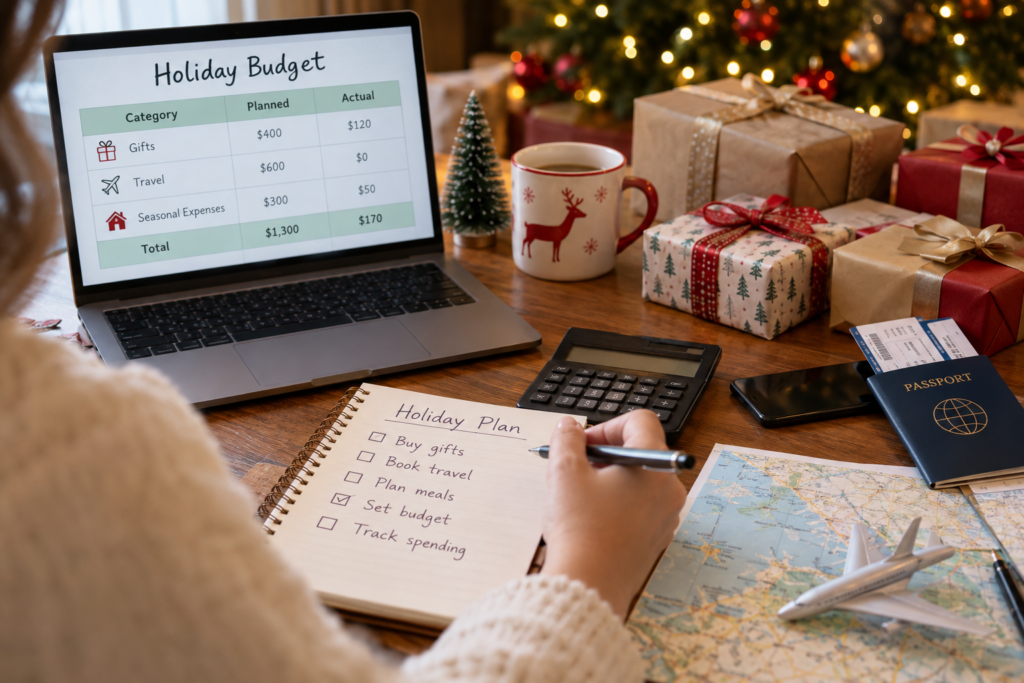 The holidays have a way of arriving faster than expected. One minute you’re enjoying the first signs of fall, and the next you’re buying gifts, planning meals, traveling to see family and wondering where all that extra spending came from.
That’s why October is a great time to start thinking about your holiday budget. A little planning now can help you enjoy the season without starting the new year with a financial headache.
Start with a Number
Before making a shopping list, decide how much you can comfortably afford to spend during the entire holiday season.
And remember, holiday spending includes more than gifts. Food, decorations, travel, charitable giving, parties, shipping costs and other seasonal expenses can add up quickly.
Look at your regular monthly expenses first, then determine how much you can reasonably dedicate to the holidays without interfering with bills, savings or other financial priorities.
Once you have a total, that becomes your spending limit.
Make Your List Before You Shop
Write down everyone you plan to buy for and assign an amount to each person. Then add the other expenses you expect during the season.
Your list might include:
- Gifts
- Holiday meals and groceries
- Travel and gasoline
- Decorations
- Shipping and postage
- Parties and entertainment
- Charitable donations
- School, workplace or community activities
Seeing everything together can help you spot areas where you may need to adjust before you start spending.
Start Shopping Early
Waiting until the last minute can make it easier to overspend. Starting early gives you more time to compare prices, watch for sales and make thoughtful decisions instead of buying something simply because December 24 is getting closer.
Early shopping can also spread holiday expenses across several pay periods instead of concentrating everything into a few weeks.
But a sale is only a bargain if you were already planning to buy the item. A discount on something you don’t need is still money spent.
Keep Track as You Go
A budget only works if you know where you stand.
Keep a simple running total on your phone, in a notebook or in a spreadsheet. Each time you make a holiday purchase, subtract it from your budget.
Those $10 and $20 purchases may not seem significant at the time, but they can quickly add up when they happen repeatedly throughout November and December.
Be Careful with Credit
Credit cards can be convenient, particularly for online shopping, but it’s easy to lose track of spending when you aren’t immediately seeing money leave your checking account.
If you use a credit card for holiday purchases, keep your overall budget in mind and have a plan for paying the balance. Carrying holiday debt well into the new year can make those purchases considerably more expensive once interest is added.
Remember What the Holidays Are About
Some of the most meaningful holiday traditions don’t come with a large price tag.
A family meal, homemade gift, favorite recipe, movie night or simply spending time together can be every bit as memorable as something purchased at a store.
Giving yourself permission to keep things simple can be good for both your budget and your stress level.
Give Yourself a Head Start
You don’t have to have every gift purchased or every holiday plan finalized in October. The goal is simply to know what you can afford and begin preparing before the busiest part of the season arrives.
Set your budget. Make your list. Track what you spend. And when January arrives, you’ll be glad you planned ahead.
A little preparation now can help keep the holidays focused on what matters most instead of worrying about what they cost.
Have questions about borrowing or managing your finances? Your local Capon Valley Bank team is always happy to help.