Blog: Why Strong Passwords Still Matter
Why Strong Passwords Still Matter
 In a world filled with facial recognition, fingerprint logins, and multi-factor authentication, it’s easy to assume passwords are becoming less important. The reality is quite the opposite. Strong passwords remain one of the most important defenses against fraud, identity theft, and unauthorized access to personal and financial information.
Cybercriminals continue to target weak or reused passwords because they are often the easiest way to gain access to accounts. Once one password is compromised, scammers may attempt to use it across multiple websites, especially if the same login information has been reused for banking, email, shopping, or social media accounts.
What Makes a Password Strong?
A strong password is difficult to guess and hard for automated programs to crack. Security experts generally recommend:
- Using at least 12 characters
- Combining uppercase and lowercase letters, numbers, and symbols
- Avoiding names, birthdays, or common words
- Using a unique password for every account
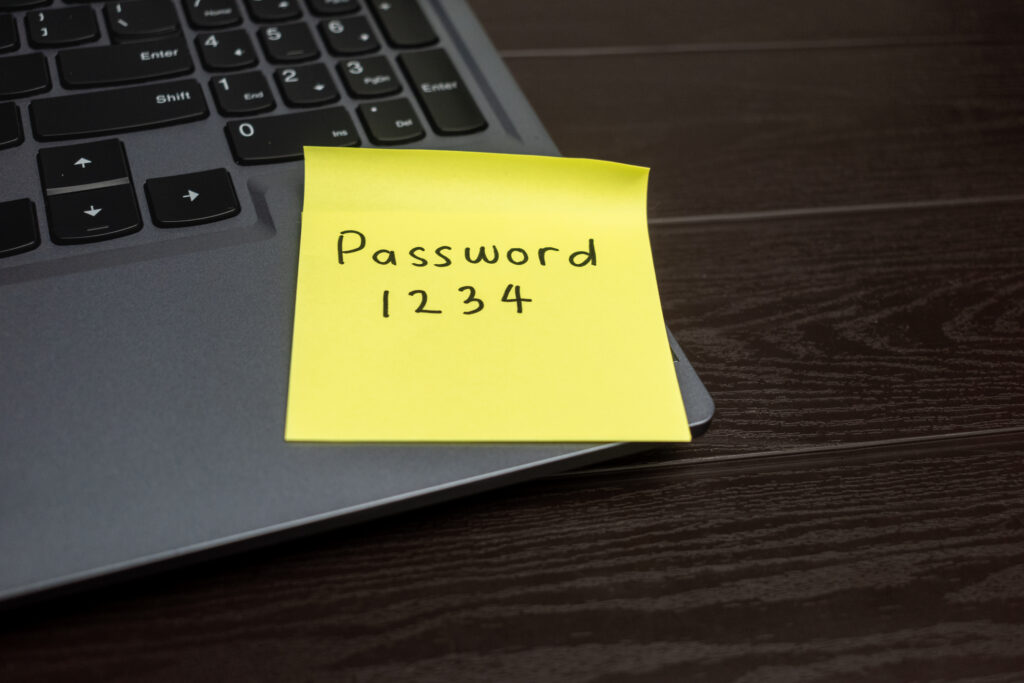
Simple passwords such as “Password123” or reused passwords across multiple sites create significant security risks.
Why Password Reuse Is Dangerous
One of the most common mistakes people make is using the same password for several accounts. If one website experiences a data breach, scammers often test those same credentials on banking, email, and retail websites. This tactic, known as “credential stuffing,” has become increasingly common in recent years.
Using different passwords for different accounts limits the damage if one account is compromised.
The Importance of Multi-Factor Authentication
Strong passwords work best when paired with multi-factor authentication (MFA). MFA adds another layer of security by requiring a second form of verification, such as a text message code, authentication app, or biometric scan.
Even if a password is stolen, MFA can help prevent unauthorized access.
Small Steps Make a Big Difference
Regularly updating passwords, avoiding suspicious links, and monitoring accounts for unusual activity are simple habits that can improve online security. Password managers can also help create and store complex passwords securely.
Technology continues to evolve, but so do fraud tactics. Strong passwords remain a critical part of protecting your financial and personal information. Taking a few extra steps today can help reduce the risk of becoming a victim tomorrow.